You get different ostomies depending on the type of condition that you have, all with their own unique benefits and other considerations to it. It can be life-saving, but you may wonder how it works. There are tons of different procedures to help with this, and it can actually benefit the lifestyle that you have.
In general, the process involves creating openings called stomas. The stomas then flush out the bodily waste that’s there, such as urine and fecal residue, out through the body, collected in a bad. If you wear this, you will be able to do a lot of the same things that you did before without being in pain.
Conventional Ostomies
This is a typical ostomy that drains out the urine, fecal matter, and sometimes both. A stoma is usually the opening of the digestive tract out, and usually, it also is before the area that’s been removed or closed.
The reason you may get an ostomy can include anything from cancer to incontinence, to even conditions that make it hard to fully eliminate bodily waste. Usually, it’s conventional because usually it’s the typical place, and it’s also usually related to where the body part is. For example, a colostomy may be done near the colon, usually your large intestine. A urostomy is near the bladder, which is done to get rid of urine as well.
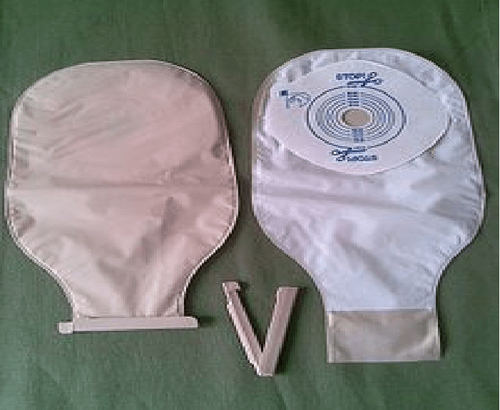
No matter where this is, usually it’s made to drain and help the body get rid of waste through an ostomy pouch, which is a plastic reservoir that’s attached to your stoma. Technology these days makes these easy to use, and they usually are odorless and can be hidden under clothing, unless you need to drain the bag. This is all of course, discussed with you by the doctor whenever you come in to get one of these.
J Pouch
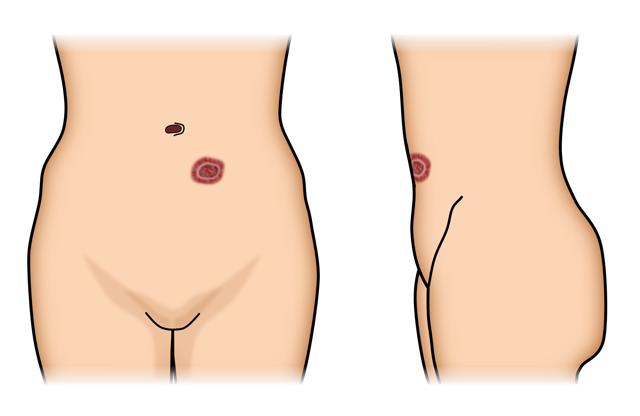
A J pouch is not a conventional ostomy. This is where they create a cavity using the ileum in your body, instead of the outside pouch. Usually, it’s a part of the small intestine that’s there. For a bit though, you will need n ostomy pouch as that heals up. There is also a chance for bigger risks, especially inflammation with this. But if you want normal bodily function and getting rid of waste through this, then you’ll be able to do this.
Continent Ostomy
These are another option for not needing an ostomy pouch. A BCIUR or a Kock ostomy usually are the types of ostomies that this falls under. Just like with J pouches, they pretty much create a new pouch for you to put waste inside, and this is usually done with the large intestine or the small intestine. It can be a bit more complex though since it involves you draining the current contents through what they call a drainage tube, which can sometimes be a bit of a pain to work with.
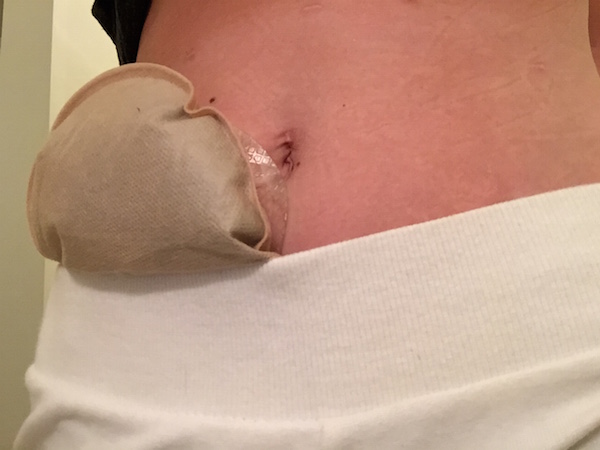
But overall, there are a lot of people getting a lot of these surgeries. And for a good reason too. With almost a million Americans with one kind of an ostomy or another, this is something that shouldn’t be alarming. It can help someone continue with their daily life, which lets them be who they wanted to be prior to the operation. It can be a lifesaving surgery for you right now, and also as a result of this help you make sure that down the line into the future you get the help that you absolutely need with this, so that you can get the help that you need today.

 Stoma Care Corner